What is Pallet Delivery? A Complete Guide to Pallet Shipping
Pallet delivery is one of the most widely used freight transport methods in the logistics industry. Businesses around the world rely on pallet networks to move large, heavy, or bulk shipments between warehouses, distribution centres, retailers, and customers. Pallets are also increasingly being used to ship items that are too large or heavy for standard parcel couriers to carry.
However, many people are still unsure when they should choose pallet shipping over parcel delivery, or what the process entails.
This guide covers what pallet delivery is, how pallet networks operate, what a pallet is, and how to prepare one for shipping.
What is a Pallet?
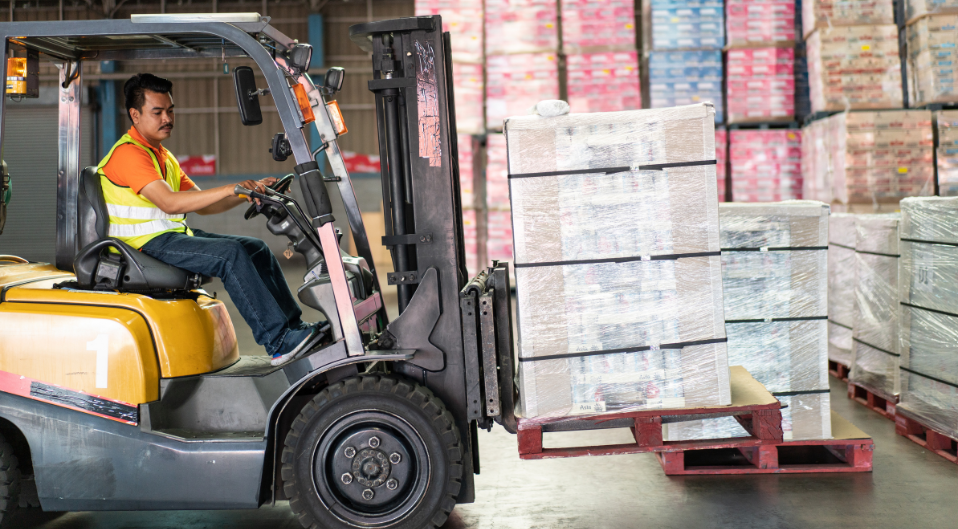
A pallet is a rigid frame that is designed to support goods during storage or while they’re being moved through from their origin to their final destination. Most pallets in the UK are made from wood, although plastic and metal pallets do exist in some industries where hygiene or durability is especially important.
Pallets are designed to allow forklifts and pallet trucks to safely lift the load from underneath, which makes it possible to move heavy shipments quickly during transit. They are also designed to be stacked and stored efficiently which helps businesses to maximise their warehouse space, while keeping their goods organised and accessible.
In the UK, pallets commonly measure 120cm by 100cm to keep things standardised. Although smaller pallets don’t really exist, if you don’t have enough goods to fill an entire pallet (known as full pallet), then you can choose a quarter or half pallet option.
How Pallet Delivery Works
Pallet delivery services operate via a system that is otherwise known as a hub and spoke distribution model. This model centralises warehousing around strategic hubs in order to improve the efficiency of delivery to multiple locations at a lower cost than point to point distribution.
When a pallet delivery is booked, a local transport partner will collect the pallet from the sender using a forklift, or a vehicle equipped with a tail lift. The pallet is then sent to a regional depot where shipments are checked and organised according to their destination.
The pallets are then loaded onto a larger trunk vehicle to be transported to either a central hub or other regional depot. When the pallet reaches the depot that is closest to the delivery address, it is loaded onto a final delivery vehicle and delivered.
Once the pallet is loaded and secured with wrapping or strapping, it is treated as one single shipment unit, regardless of how many items are included. This reduces the need for manual handling throughout the journey and can improve overall reliability.
Following this network approach allows pallet delivery services to offer nationwide coverage while keeping their costs competitive and service consistent.
When Should You Use Pallet Delivery?
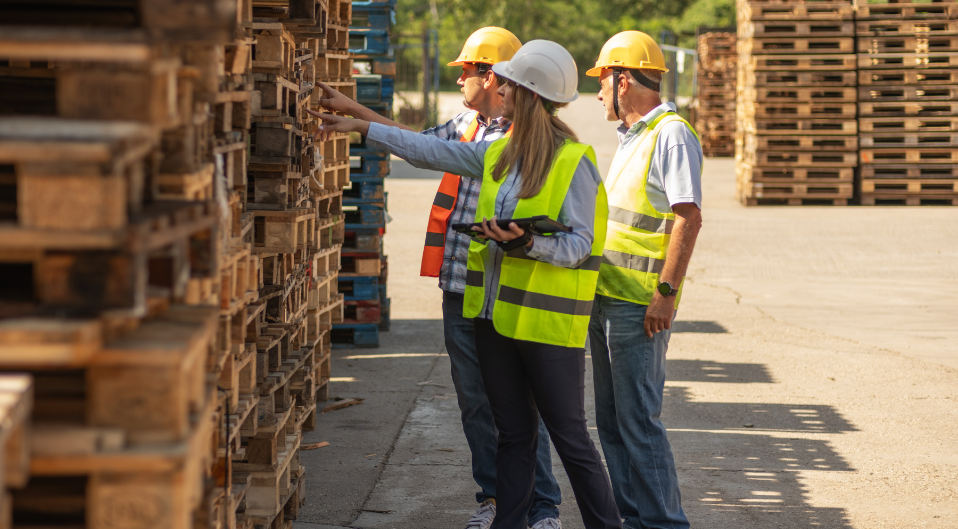
Pallets are capable of supporting a large amount of weight, which means that this method of shipping is particularly useful for businesses that need to transport large quantities, or bulky items that standard parcel courier services cannot handle.
Businesses using pallet delivery often do so when they’re sending multiple boxes together or moving stock between different locations. Shipping everything on one pallet means that they’re able to transport goods more efficiently and - often - at a lower cost.
Individuals might choose to use pallet delivery when sending large items like furniture, machinery, or building materials. It’s also useful for sending items that would be rejected by parcel couriers due to size or weight limits, such as car engines.
If in doubt, reach out to our team who will be able to advise on whether your item can be sent via a parcel courier, or whether it should be palletised.
The Advantages of Pallet Delivery
One of the main advantages of pallet delivery is the protection that goods are offering during transportation. Items are secured together on a stable base which means that they’re less likely to shift or collide with other shipments during their journey. This is especially useful for fragile or valuable items that have a high risk of damage.
Efficiency is another key factor as pallets allow freight to be loaded and unloaded quickly which speeds up warehouse operations. This in turn means that pallet networks can move large volumes of freight every day and allows them to maintain consistent delivery schedules.
Another important consideration is cost. When multiple boxes or items are stacked onto a single pallet, they are classed as being one single unit. This can often result in lower shipping costs when compared to sending each item individually through a parcel courier.
It’s also important to note that many pallet delivery services are able to offer next-day delivery across most parts of the UK, allowing businesses to move their stock faster and maintain effective supply chains.
Preparing a Pallet for Delivery
Proper pallet preparation is essential for ensuring goods arrive safely and without delays. The first step is choosing the correct pallet. It should be in a good condition (although it doesn’t have to be perfect), and capable of supporting the weight of your shipment throughout the entirety of its journey.
When it comes to loading your pallet, you should make sure that items are carefully stacked in order to create a stable load. To avoid your pallet being ‘top heavy’, place heavier items on the bottom, with lighter items positioned on top to create an even distribution of weight.
Make sure that your goods are not overhanging the pallet dimensions and, if you’re shipping motor parts that contain or have previously contained oils or liquids, these must be fully drained and then plugged and placed on the pallet with sufficient wrapping to catch any drips.If your item drips onto the floor of vehicles or depots during transit then carriers reserve the right to dispose of it and any extended liability cover will be void.
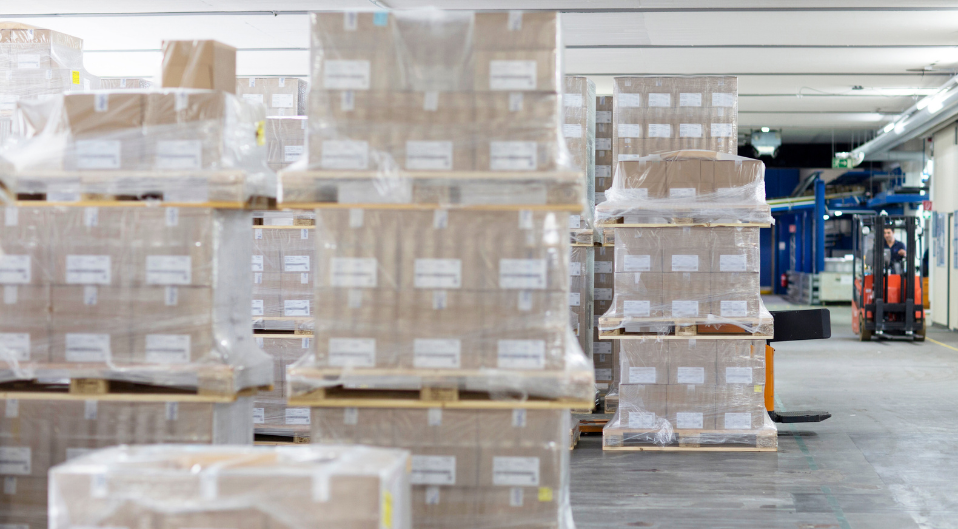
Once your pallet is loaded, it should be secured firmly to the pallet base using shrink wrap, banding, ratchet straps, or rope to prevent the load from shifting during transit. In addition, you should make sure that your goods are protected using packing materials such as cardboard, bubble wrap, or polystyrene. If you’re shipping fragile or valuable items, then extra protection should be used to absorb impacts and keep your goods as safe as possible.
Finally, ensure that your pallet is clearly labelled with the delivery address, sender information, and any relevant handling instructions. This helps to make sure that it can be easily identified as it travels throughout the network and reduces the risk of delays.
How Much Does Pallet Delivery Cost in the UK?
The cost of pallet delivery in the UK depends on several different factors, including the size of the pallet, weight of the shipment, how far the pallet needs to travel, and the speed of the delivery service.If your shipment is smaller such as a quarter pallet then generally it will cost less than a full pallet as it takes up less space. If your pallet is larger or heavier, then it will require more capacity to transport and so charges might be higher.
How fast you want the shipment to arrive is also a factor. While next-day delivery options will get your pallet there in no time, there is an extra cost that will be incurred. On the other hand, economy delivery options might be cheaper, but you could find yourself waiting for several days for delivery.
Finally, if you need additional services then this can play a part in pricing too. For example, timed deliveries, remote area surcharges, and any additional insurance that you might need can all contribute to the cost.
Domestic and International Pallet Shipping
While domestic pallet shipping is usually fairly fast and straightforward to arrange, international pallet delivery is a little bit different.
There are additional steps involved when sending pallets internationally including customs declarations, export paperwork, and ensuring compliance with international freight regulations. Although these extra steps add a little more time onto the process, pallet freight is still one of the most practical and cost effective ways to transport large shipments around the globe.
Delivery times for international deliveries are of course longer than delivery times for domestic deliveries, and can vary depending on the destination country and the service chosen. However, much like domestic pallet delivery, pallet networks are optimised to handle shipments in the most efficient way possible whether in the UK or abroad.
Ready to get started with sending pallets? Compare prices instantly or get in touch with our customer service team who will be able to help advise you.
FAQs
What is pallet delivery used for?
Pallet shipping is used to transport heavy, large, or bulk goods that cannot be sent via standard parcel couriers. Shipping goods on a pallet also allows businesses to easily move multiple items together in a single shipment.
Can individuals use pallet delivery services?
Yes. Although pallet shipping is commonly used by businesses, individuals can also send pallets if they need to send large items such as furniture, machinery, or building materials.
How long does pallet delivery take?
Most UK pallet networks offer next-day or two-day delivery depending on the destination and service selected.
What size is a standard pallet?
A standard UK pallet is typically around 120cm by 100cm.