Prohibited vs Restricted Items: What’s the Difference When Shipping?
Sending a parcel should be straightforward, but when it comes to shipping prohibited or restricted items, there can often be misunderstandings about these definitions which can cause issues.
Every single courier in the UK has strict shipping guidelines that are designed to keep their employees and customers safe. If your shipment contains items that fall into either of these categories then you could find yourself facing extra charges, delays, or even legal consequences in the most severe cases.
We’ve put together a guide that breaks down the key difference between prohibited and restricted items, outlined what you can and can’t send via couriers in the UK, and share some of our top tips and advice to help you avoid expensive mistakes.
What does restricted mean?
A restricted item is something that can be shipped, but only when you follow specific rules. While these items might not be banned outright, they need to be accurately declared, carefully packaged, and (in some cases) sent via a specialist service.
What makes restricted items tricky is that they’re often everyday products that senders may not think twice about. The issue however is how they behave when they’re being transported.
Why are some items restricted?
Restricted items are simply things that need to be handled correctly during shipping, otherwise they might create a risk. It’s important that they’re packaged well and declared accurately, so there are often extra conditions that will apply to these shipments in order to reduce hazards and keep couriers safe.
What does prohibited mean?
A prohibited item is something that cannot be shipped under any circumstances via standard courier or postal services. These items can be banned for a number of reasons including the fact that they present serious safety risks both during and after shipment, or are illegal items.
If you choose to take the risk of sending a prohibited item, then couriers have a number of actions that they are within their rights to take.
Why are some items prohibited?
The logistics network often relies on automation, and if you’re sending something overseas, air transport. In the same way that you cannot take some items on a plane in your checked or hand luggage due to safety risks, you’re not able to ship them either.
While restricted items can be sent if they meet certain regulations, there is no such workaround that exists for prohibited items as they pose a potential to cause harm during or after their journey.
The consequences of shipping prohibited or restricted goods
Some senders may be tempted to take the risk and ignore the conditions around restricted goods, or try to get away with shipping prohibited items.
The problem with this is that many people underestimate just how seriously couriers take these rules. Whether on purpose, or accidental, couriers can and will take strong action.
What happens if you send a prohibited item?
- Your parcel may be confiscated and then destroyed
- Compensation and delivery charge refunds are void
- Your details could be noted and your account restricted or even banned
- In some cases you may be reported to the authorities which can result in prosecution and/or fines
- If sending internationally, a customs investigation can be triggered and foreign authorities may take action
What happens if restricted items are sent incorrectly?
If your restricted goods are not correctly packaged, sent with the wrong service, or are misdeclared then (even if it’s an accident), you could face:
- Loss of insurance and liability cover
- Goods being held for inspection at the depot
- Additional handling or disposal fees
- Delayed deliveries
- Goods returned to sender
- In some cases, your goods may need to be destroyed if they are damaged or cause a danger
If you’re a business and receive repeated violations, then you might find yourself restricted from working with a courier in the future, alongside monetary loss from incomplete or late deliveries.
Prohibited vs restricted at a glance
Restricted items:
- May require specialist services or approvals
- Allowed if they meet strict conditions
- Higher risk of delays or surcharges
- Can be rejected if conditions/guidelines aren’t adhered to
Prohibited items:
- Total ban from sending via courier networks
- No amount of documentation or packaging will make them exempt
- Will be seized or destroyed if discovered
- May result in accounts being banned
- Often illegal, hazardous, or pose a risk to cause serious harm.
- Could result in prosecution and/or fines
Shipping checklist
Although the consequences of incorrectly sending a restricted item, or shipping a prohibited item may sound terrifying, the good news is that most issues are totally preventable.Before you book your shipment, it’s important to make sure that:
1. You’ve checked the courier’s prohibited and restricted lists
You may think that you know your item isn’t on either of the lists, but the reality is that every courier has policies that are slightly different. Because of this, a product that you’ve previously shipped with one courier might come with restrictions or be entirely prohibited by another.
2. You have correctly declared the contents of your shipment
By misdeclaring items in order to avoid restrictions, you could face voiding any insurance or cover you may have in place, but also lead to a number of penalties - not to mention the risk of injury. For the safety of couriers and everyone involved in the journey of your shipment, make sure you give them the information they need to handle your shipment correctly.
3. You've made sure that your parcel meet the packaging requirements
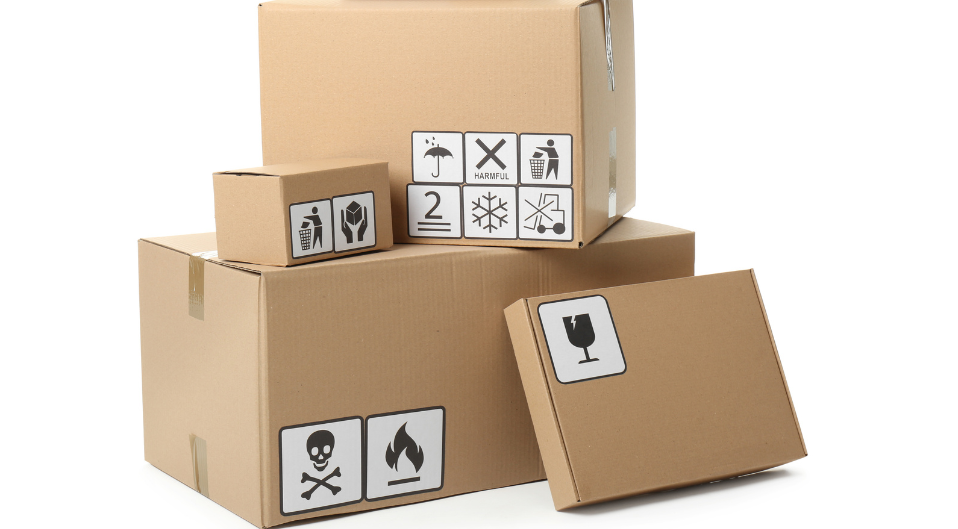
Make sure that you closely check what restrictions you need to comply with when it comes to your packaging. Common requirements can include using a leak proof container for liquids, ensuring that there is plenty of protective packaging to avoid movement or damage, and making sure that the correct labels and/or hazard warnings are clearly attached.
4. If sending internationally, have you checked local laws and restrictions?
You may think that you know what the restrictions are for shipping within the UK, but shipping internationally can bring with it extra restrictions. Items that can be shipped in the UK may be limited or banned in other countries and this can affect everything from food products to cosmetics.

We understand that the consequences of accidentally sending a prohibited or restricted item can seem daunting, but that’s where we can help.
Our team will be able to assist you throughout the whole booking process, and can advise you on whether your item is likely to fall into the restricted or prohibited items categories.